How working behind a bar can teach you more than you’d think about politics
As politicians take the conference stage, Britain’s actual political conversations are happening outside of the stage door and in the pub next door.
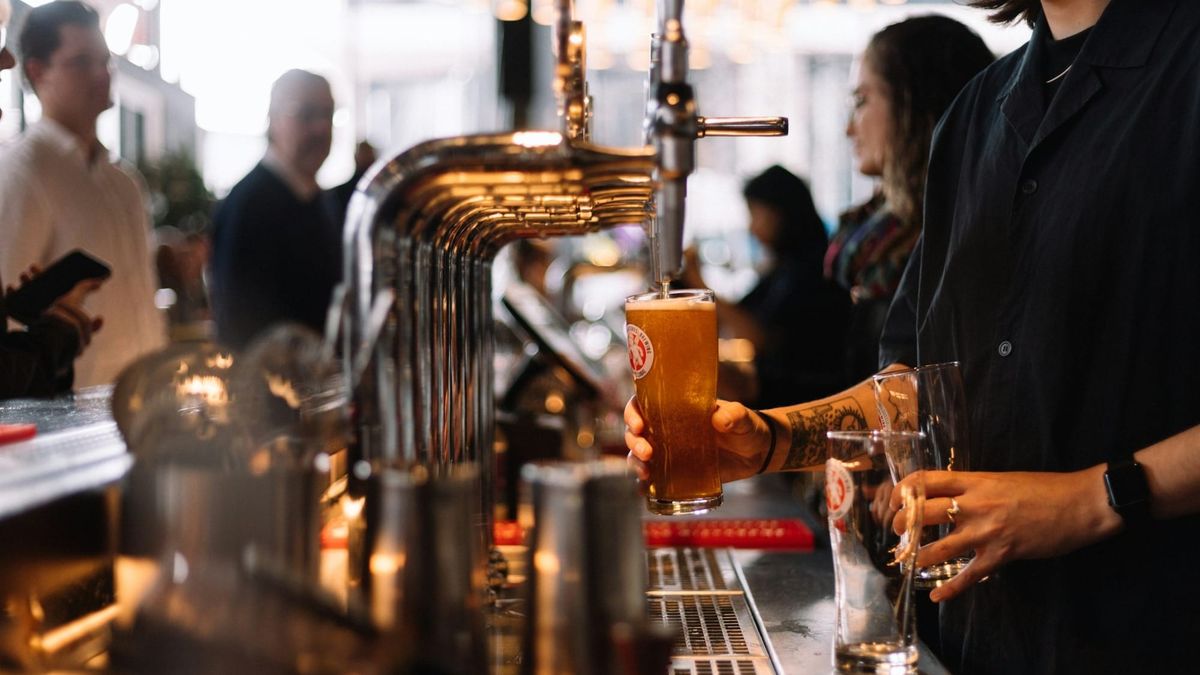
Bars and Pubs are synonymous with many social elements of our lives. From watching sports, quiz nights and live music to wedding receptions and wakes, it seems that many moments in our lives take place in a room often defined by little more than old tables and chairs, thick-stemmed wine glasses and the familiar hum of conversation.
However, I propose an alternative view. One which is cast from behind the sticky surfaced wooden bar. I propose that these spaces are in fact the heartbeat of British politics, where ideas are shared and competing viewpoints are debated. I propose that politicians, in their undying pursuit of political capital, should look to these spaces to find out more about who their electorates are and what they want. Because if the conversations I, a barman, have with my customers offer any indication, there is a lot to understand about what people actually want from the seemingly distant politics of Westminster and beyond.
Don’t get me wrong, politicians do love to be photographed in a pub – it makes them seem like a real human being. From Andy Burnham rating bar snacks to Kemi Badenoch pulling pints, there’s no doubt that these political stunts are great at making the politician look like somebody that you too could grab a drink and chat about your day with. Yet, often, this is all they are – stunts. Their pouring of a half- froth pint or reported love of pork scratchings bypasses the real concerns of the people sat at the table next to them.
To paraphrase Billy Joel, it’s 7 o’clock on a Friday and the regular crowd shuffles into the bar where I work. It’s a relatively small space compared to some of Ipswich’s larger establishments but packs an unmatched amount of character. Many of the regulars know me and my love of politics by now, so they’re not afraid to spark up a conversation about the week’s political musings.
“Well, did you see that Burnham has” or “Nigel has only gone and” are often repeated beginnings to these conversations. Whilst I enjoy recounting the week’s politics, this is not what I am truly interested in. I’m interested in the sentences which begin with “Well I think what he has done is” or “Thank god someone has finally said.” For the political analyst inside the man half-covered in beer from the customer who spilt his drink across the bar, it is these sentences that tell me what people really think.
Even more interesting are the conversations with unfamiliar faces. I am accustomed to the politics of the regulars by now, and they to mine. Yet, it only takes a quick mention of my political science degree to a customer whom I haven’t seen before for them to begin spouting opinions at me.
I try to remain neutral on whichever topic they decide to bring up. I am there to sell them Sauvignon Blanc, not the dream of Keynesian economic expansion or a federal Europe. Yet, who am I to say no to someone who wants to properly debate me of the rise of Reform? And surely every drink should be sold alongside a cold fistful of left-wing politics?
Either way, I enjoy the conversation because whilst they leave after two or three
drinks, I am left with a greater understanding of what they think, what matters to
them and perhaps most importantly, why.
Again, I am no political commentator who intends to use these opinions to target
certain electorates or demographics… yet. However, as someone who is interested
in politics and how it can play a role in everybody’s life, I am interested in what
people think and why.
Politics can often seem like a very polarised thing, and I am not here to deny those
who validate this claim. However, put a pint in front of anybody and, more often than not, they’d be willing to listen to you and, just as importantly, you’d listen to them.
And so, I rest my case and ask any politician the next time they plan a photoshoot
behind the bar to take some time to also sit in front of it, talk to people and listen to what they have to say. Because beyond teaching me to pour the perfect pint,
working behind the bar has taught me something else: the best political insight rarely starts with politics; it starts with a round consisting of three pints of Guinness, one large Pinot, and Coke for the person driving.