Black History Month: The Black Britons not mentioned in class
Discovering some of the Black Britons whose achievements you might not know about
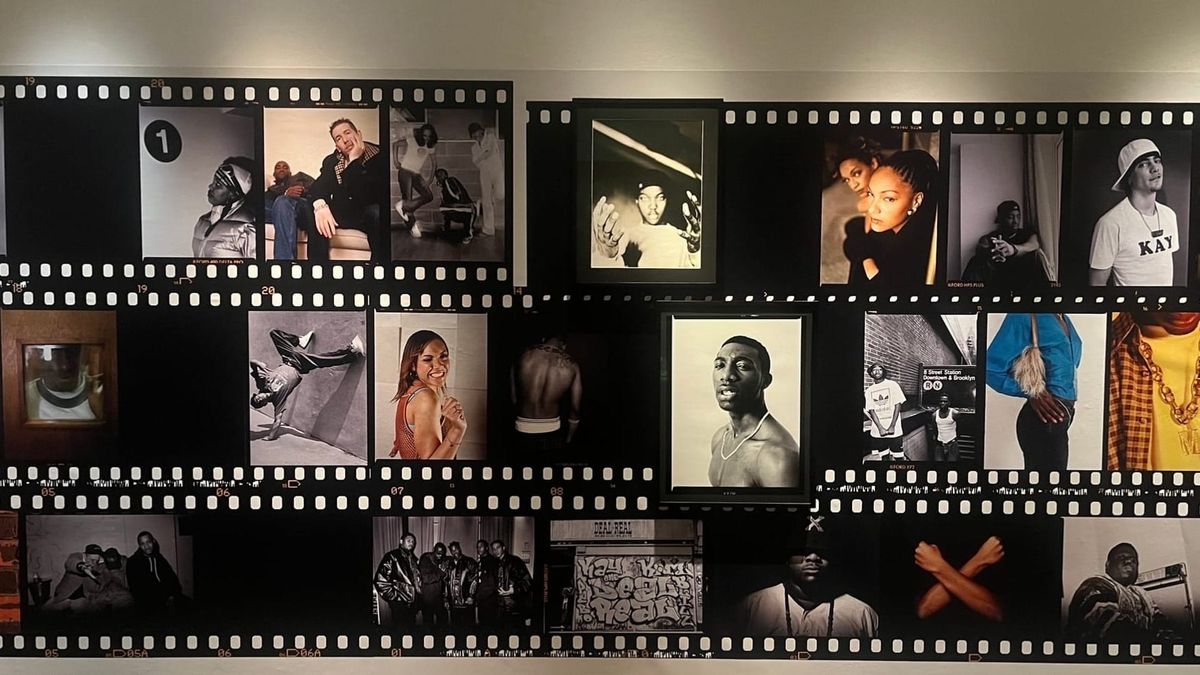
October welcomes Black history month, an annual celebration dedicated to the many black figures that have achieved so much throughout history. Although the celebration first began in America, in the 1920's, it is now celebrated around the world, in order to express gratitude to the many black figures that have contributed to education, science, community, politics and many more.
Celebrating and learning about Black History month has become part of many UK school curriculum's and yet when I had these lessons I found all the figures we learned about to be repeated every year. Although figures such as Nelson Mandela, Rosa Parks, Mary Seacole and Martin Luther King Jr. should forever be celebrated and acknowledged in our history, I found myself wanting to learn about more figures that impacted our world.
For this year, I wanted to have a look at Black British figures that should be remembered and spoken about more often!
Diane Abbott - First black woman elected to the UK parliament
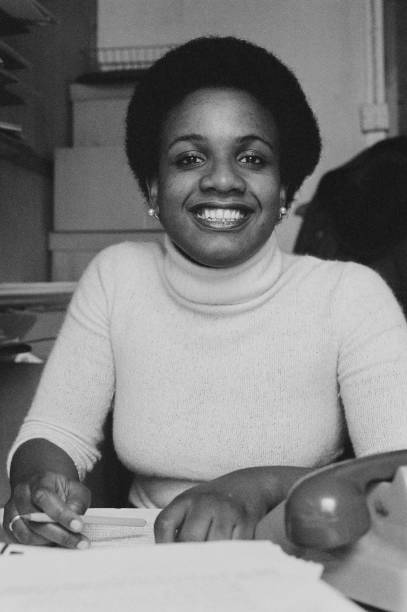
Diane Abbott, is the first black woman elected to the UK parliament, after winning the vote in 1987. Born to Jamaican parents in Paddington, 1953, Diane Abbott found passion in history, graduating from the University of Cambridge and beginning her political journey shortly after.
She is currently the longest serving black MP in the house of commons, as she remains a prominent figure on the Labour party, and a vocal campaigner on issues of racial equality, global justice and human rights. Abbott also chairs the British - Caribbean all party parliament group and the APPG for sickle cell and Thalassaemia.
Bishop Wilfred Wood - First black bishop in the church of England
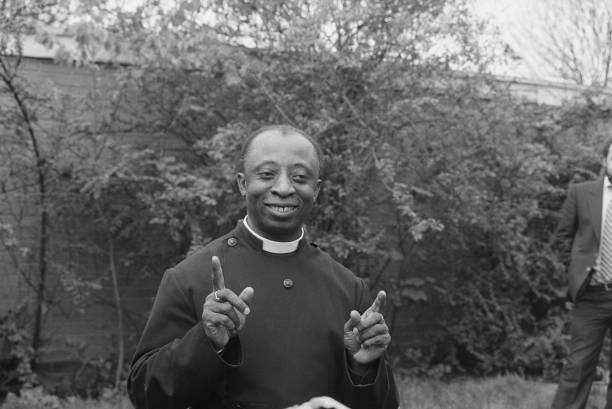
Wilfred Denniston Wood is a Barbadian British Anglican bishop known to be the first black bishop in the church of England, alongside his advocacy for racial justice and social reform.
Wood was a deacon in Barbados in 1961, but later traveled to England where he was ordained a priest in 1962 at St Pauls cathedral in London. He spoke out on issues of racial justice, co-authoring the book 'Vicious Circle' with John D. H. Downing which was a call for churches to engage in anti racial activism. This established Wilfred Wood as a leading voice on race relations within the christian community.
Margaret Busby - Britain's first black woman publisher
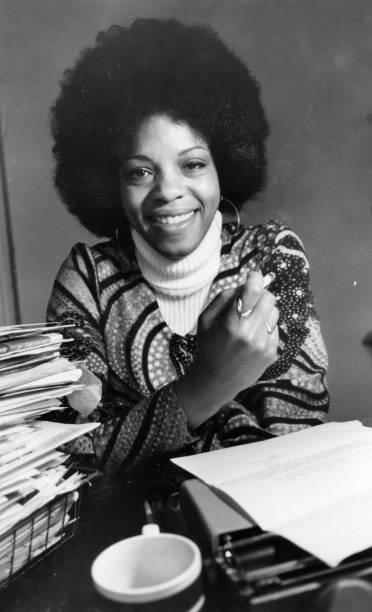
Margaret Busby is Britains first black woman publisher, born in Ghana 1944, she studied English at Bedford college, University of London, where she met Clive Alison. Together they founded Allison & Busby in 1967, where their goal was set on publishing books that were bold and inclusive. Busby advocated for literature as a tool of visibility and liberation, writing for the diverse and politically conscious readers of Britain.
She has committed to mentoring young writers, broadcasting, and presenting for the BBC. One of her most known achievements, was her anthology 'Daughters of Africa' a piece made with more than 200 women writers of African descent. Busby has since won various awards for her work and her determination to ensure all voices are heard.
John Kent - Britains first black police officer
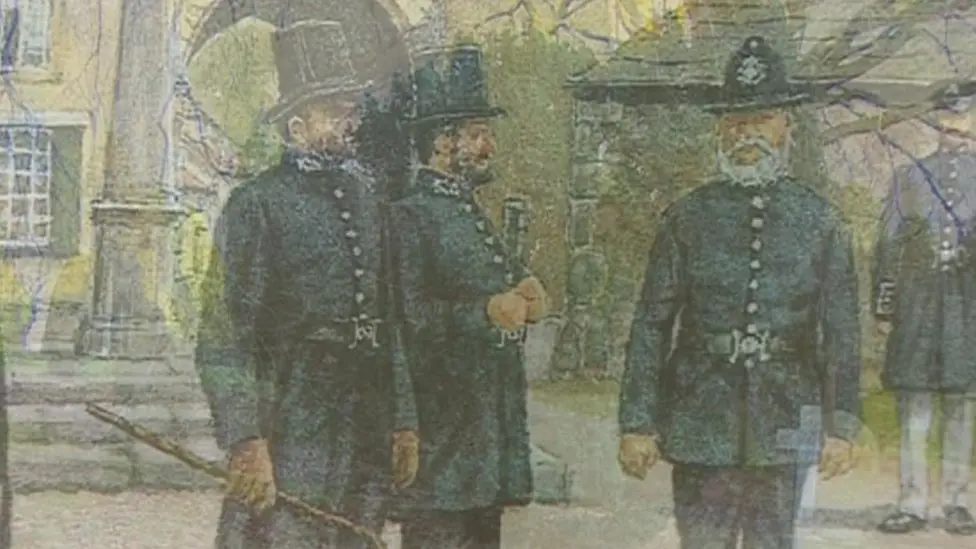
Born in Cumbria 1805, John Kent was the son of Thomas Kent a slave that had been freed in the UK. John Kents achievement as Britains first black police officer serves as a testament to his courage determination and dedication to serving his country. His legacy is still remembered today, commemorated with a plaque commending his career and life.
John Edmonstone
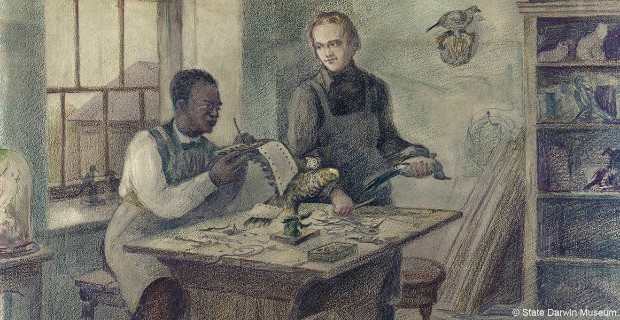
Well known for teaching Charles Darwin the skills of taxidermy, John Edmonstone made a life of his own, after being freed from slavery.
Born in Guyana, South America in 1790, Edmonstone was enslaved from birth, where he later travelled to Scotland with his master in 1817. Its unsure when he became free from slavery, but John first lived his free life in Glasgow, later travelling to Edinburgh and gaining a job at the Univeristy of Edinburgh's zoological museum.
His lessons to Charles Darwin, were fundamental to Darwins ability to preserve all his findings during his voyage, giving us an insight as to how talented John Edmonstone really was.
Olaudah Equiano - Writer and Abolitionist
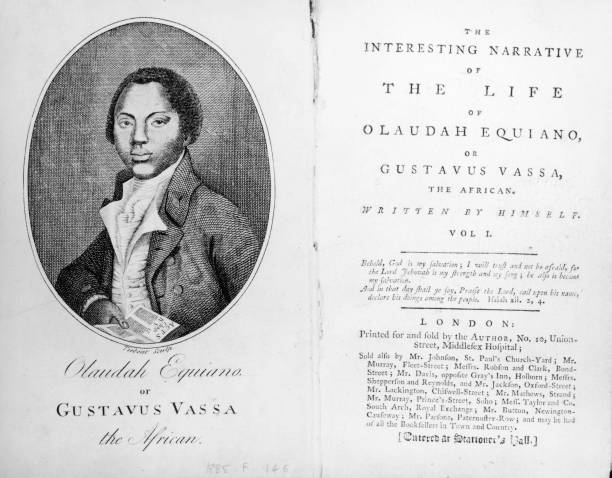
Olaudah Equiano, born in the kingdom of Benin (modern Nigeria), was forced into slavery when he was a young child. Despite the restricted and dehumanising life thrown at him, he was determined to learn, soon being taught how to write and read from his first master.
Equiano saved up his earnings and bought his own freedom, deciding to dedicate his life to campaigning for the abolition of slavery, publishing his autobiography in 1789 which gave detail of the horrors of slavery.
Lilian Bader - RAF pioneer and educator
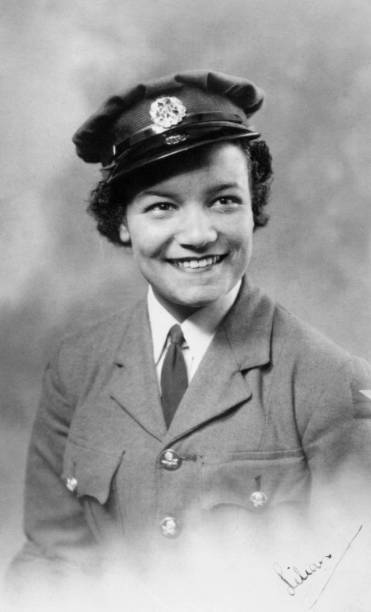
Lilian Mary Bader was one of the first black women to serve in Britain's armed forces. Born in Liverpool, 1918, to her Barbadian father and Irish mother, Bader was put into a convent at a young age after her parents death, facing much prejudice and limited opportunities.
Once WWII was announced, she immediately sought to find work in the navy, but when it was found that her father had been born in the Caribbean, she was dismissed. Despite the many unfair rejections she faced when trying to serve her country, she was later accepted into the women's auxiliary air force, qualifying in aircraft operations and breaking both gender and race issues faced at the time, with her great achievements.
Paul Boateng - one of the first black MP's and UK's first Black cabinet minister
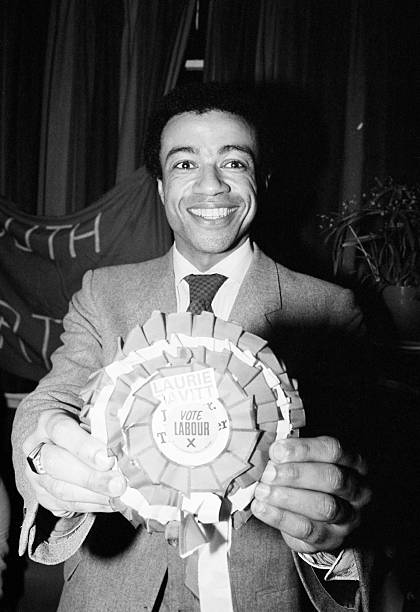
Paul Boateng was among the first black MP's in modern British history after being elected MP for Brent South in 1987. Born to his father Kwaku Boateng, a lawyer who served as cabinet minister in the Ghanian government, and his mother Eleanor Boateng, Pauls early education started in Ghana before relocating to the United Kingdom in 1966.
In 2002 he became the UK's first black cabinet minister as chief secretary to the treasury. As a British Labour party politician and formal civil rights lawyer, Boateng fights for the voices of Britain youth, and community, launching the youth citizenship and social change programme which was - at the time - the UK's largest research project designed to examine social exclusion and promote citizenship among young people.
He also played part in launching and establishing the children's fund designed to tackle child poverty, but these are just a few of the examples of how he has acted to make the world a better place.
Ignatius Sancho - Writer, composer and first black Briton to vote
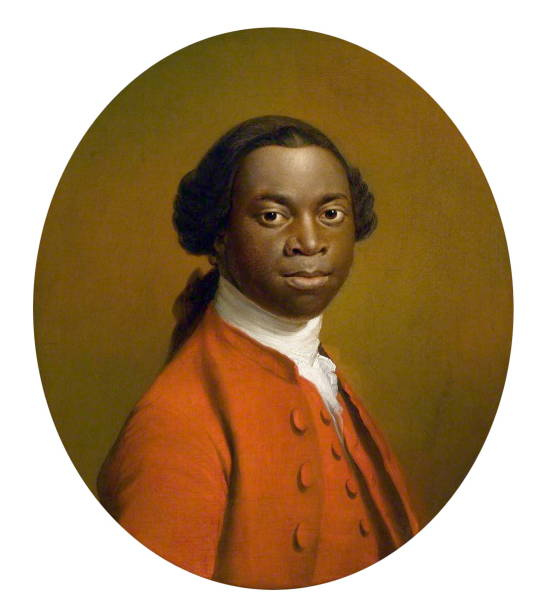
Ignatius Sancho was born on a slave ship in the Atlantic Ocean, where he soon arrived in Britain. Throughout his lifetime, Sancho composed music and wrote numerous letters that were later published after his death, making him the first African prose writer to have work published in England. He later became the first Briton of African heritage to vote in election, after gaining financial independence.
Walter Tull - Black British footballer and army officer
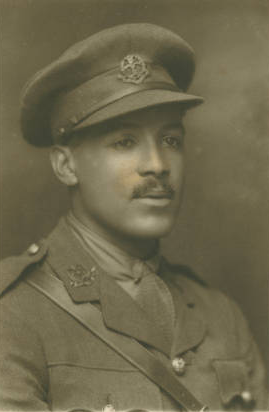
Walter Tull was born in Kent 1888, where he grew up in an orphanage and found his passion for football. He went on to follow his dreams and play professionally for Tottenham Hotspur, as well as Northampton Town Football Club becoming a talented and successful player on his team.
Due to the outbreak of war, Walter became a soldier, where he was promoted to the rank of sergeant and began training as an officer which at this time, only white British born men could be. He carried on his achievements onto the battlefield, leading his men safely across Italy and the German trenches, but sadly losing his life due to a direct attack on 'no mans land'.
I believe its important for us to learn about all of these key figures whether its any month of the year but this month especially where we can all come together to show appreciation for all the black figures that have made history with their contributions and achievements.
Happy black history month!