University of Suffolk Feels Like 'Home' for International Students
While new visa restrictions are being applied on international students, I took a quick dive into current students' perspectives of Ipswich and the local university

International students across the United Kingdom bring almost 42 billion pounds to the country, alongside a piece of their culture and personal experiences. In 2026 stricter visa policies are being applied and an economic inflation occurring, the number of international students enrolling in British universities is decreasing.
In the heart of Ipswich, the University of Suffolk is described as a strong support system to all of its students with a dedicated team specifically made to cater the needs of international students.
Six wonderful students were asked to give their opinion on the diversity of their university as well as sharing their experiences living in Ipswich.
Upon speaking to Lanre, an international student from Nigeria pursuing his MSC in adult nursing, he has stated that ‘you feel free, you feel home” at the University of Suffolk, and further continued praising the town’s receptiveness and warmth.
Lanre also mentioned the scholarship granted to international students from certain countries, amounting to £2,000 in his case. However, new visa policies and complicated job sponsorships raise questions over the future of international students in the UK.
Due to the rising costs in tuition, the number of international students is decreasing. Despite the enormous support these students find in UK universities, it is worth considering lowering costs, as well as granting a larger number of scholarships to third world countries.
Similarly, Chukwudi Udogo pursues the same major as Lanre. He thinks that the diversity in Ipswich is “quite amazing”, and he reiterates the people’s hospitability towards him. Due to the diversity on campus, Chukwudi considers it easy to connect with everyone, the social scene is friendly and welcoming.
As for Harilakshmi, she came in during the last intake in September to pursue public health and wellbeing. She gladly referenced the “programmes, activities and campaigns” set out to support international students. She also mentioned her classmates’ willingness to help during group projects and their friendly nature in general. Harilakshmi names her lecturers as guiding and supportive lecturers who offer their help at any time.
However, there was a slight difference between the replies of international and domestic students during the interviews.
According to Mayah Newman, a British nursing student, she “hopes” that international students feel welcome in Ipswich, but assumes they probably are not. Her justification concluded that “Ipswich is a bit of a weird place, in general”. In comparison, Mayah feels that her course is fairly diverse, she appreciates the culture and food being shared with her especially by her close friend Anna, an international student from Spain.
Besides appreciating the foreign culture, she mentions how different upbringing and geographical circumstances bring various new perspectives in her course, which she would not have thought of alone. For a university with almost 8% of international students, it was estimated higher by most students, leaning towards 10%.
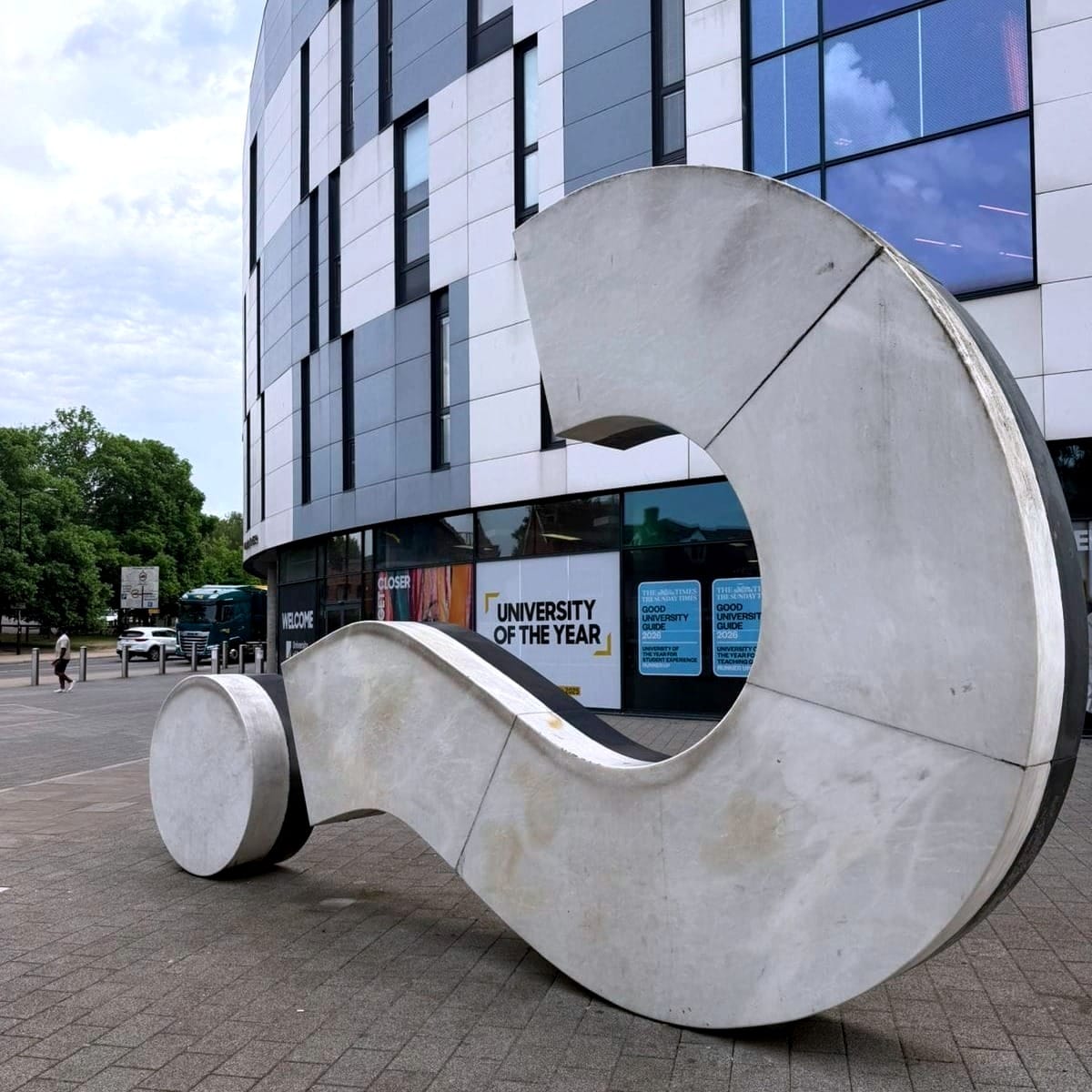
After the students’ repetitive mentions of the international advice team, Belle, the student life advisor provided information about the wellbeing student assistance program.
A 24/7 hotline available for all students offering them factual counselling. As for international students, there is a whole advice team dedicated to them, in compliance with the UKVI standards which is regulated by the international compliance manager at the university. One of the main events carried out by the international advice team is a monthly advice session in the café.
The aim of these meetings is to help international students network with each other, and to bring in professional advisors and royal literary fellows. Refreshments and leaflets are offered. It is noticed that career sessions are the most attended. As all interviewees mentioned, details about the international clubs are to be found on social media, the university’s account, and the student union’s account.
As an international student studying journalism at the University of Essex, I am aware of the great academic quality offered in UK universities as well as the support many universities offer. Yet, the fact that international students pay double the fees of domestic students, alongside the exchange rate, accommodation and basic necessities, it all seems like an overwhelming amount of money for a degree.
The scholarship granted for me since I am from Jordan was approximately similar to Lanre’s, mine is only offered for one year, but since it is based on the country’s financial and geographical position, why is not applied every year?
I believe international students should not be taken for granted since they boost the economy in many areas, especially student-based ones. Being far away from “home” and family is by itself a challenge, with finances and restrictions on top of that is encouraging many foreigners to stay in their own countries instead.