More than fatigue: Life with ME/CFS in Ipswich
Hundreds of thousands of people are missing from society because of ME/CFS in the UK. Ipswich is no different; people are here, struggling and suffering to be heard because of this debilitating illness, which few people know enough about.

Summer in Ipswich is in full swing with many people enjoying the nice weather, getting coffee with friends and shopping. But for those who live with M.E./CFS, that is almost as far as you can get from their day-to-day life.
This week, August 3rd-9th, is Severe M.E. Awareness Week.
M.E. is a chronic illness most people have either never heard of or have little understanding of, yet those who live with it are screaming out to be heard.
I got ill with M.E./CFS when I was just 12 years old. I missed years of school and fell behind socially. Through social media, I witnessed house parties, school trips, and mundane teenage experiences that I wanted to be a part of. Instead, I had to lie at home every day, too ill to leave my bed; my only friends were the characters on Full House. When I say this illness takes everything from you, I mean it. Yet there is very little done to support the people who need it most, and the ones with this chronic illness are too ill to make the noise for change themselves.
What is M.E./CFS?
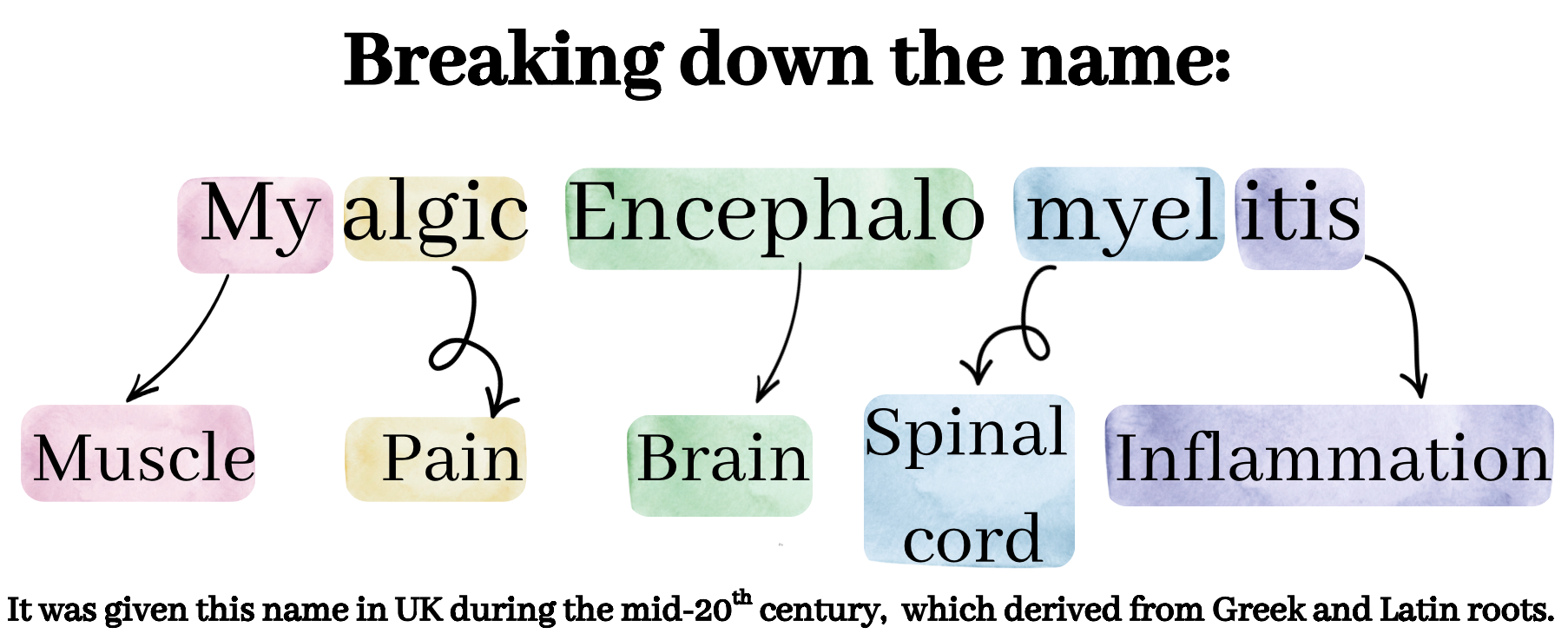
The full name is Myalgic Encephalomyelitis/Chronic Fatigue Syndrome. The condition is the same, but some choose to use either ME, CFS, or both. The name Chronic Fatigue Syndrome gained some negative connotations with the confusion of people thinking fatigue was the only symptom, and therefore there tends to be a preference for using M.E. over CFS.
This is how I would describe the experience of it when I was at my worst.
Imagine you run a marathon without training while you have the flu; the volume and brightness of the whole world has been turned up by 75%. And on top of how horribly ill you feel in that current moment, you know tomorrow will feel ten times worse; then you'll be getting close to the experience of life with M.E./CFS.
Local people are dealing with this illness in silence and have been for years. It might be your neighbour, the old friend from school you didn't keep up with, or the lady you just passed in the shop. The latest research estimated 390,000 people in the UK live with M.E./CFS, yet there is very little being done to make progress in research.
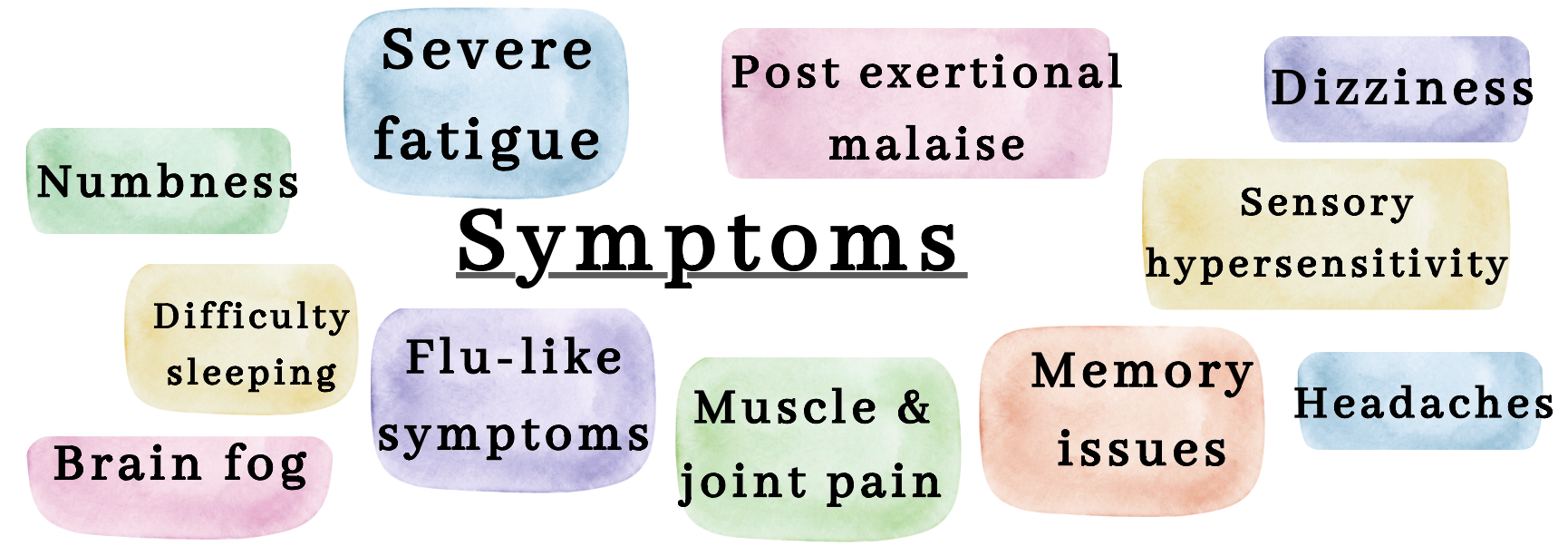
Having gotten ill when she was 16 with M.E./CFS, Bethany Rose-Hunt, a Suffolk local, described the experience as involving "not only crippling unrefreshing sleep, but also extreme tiredness, joint pain, brain fog, dizziness and memory issues. It is an illness that affects every part of me". Bethany now has a first-class law degree and counts herself as "one of the lucky ones" whose health has improved, but when she was at her worst, this was not possible: "I was near bed-bound and was asleep for 14 hours a day".
Hannah, 23 from Ipswich, shared how her day-to-day life has changed due to this condition: "I miss having the flexibility to just do whatever I want to do whenever, instead of having to plan around energy and whether or not my mobility will be able to cope". Pacing is one of the few coping mechanisms which doctors advise when they diagnose M.E./CFS, and it is what Hannah describes here when living with restriction.
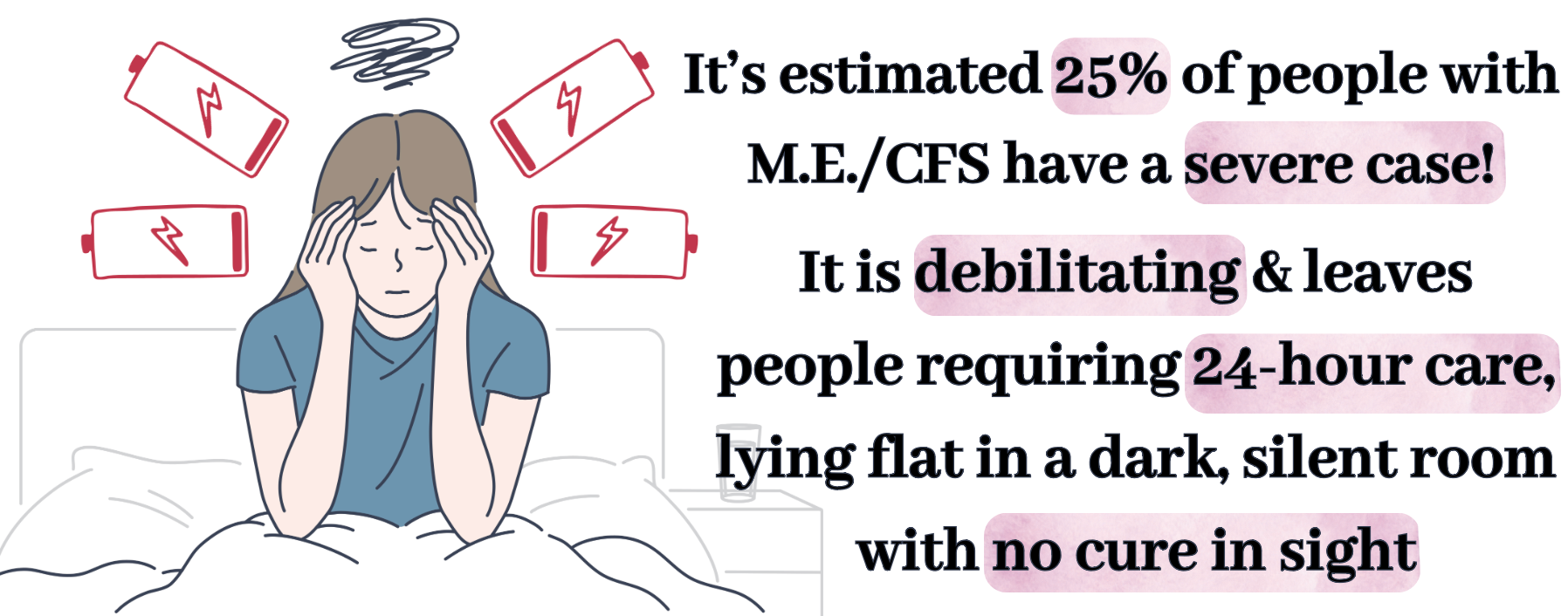
People with M.E./CFS sometimes get their energy compared to an almost dead phone battery. Able-bodied people typically wake up with 100% battery, but those with M.E./CFS wake up already needing charging. For example, I could wake up on 27% battery, and that has to last me the whole day. Making breakfast takes 5%, getting dressed another 5%, walking to a shop, 10%. The battery is already too low for me to manage anything else for the day. So that's where the pacing, planning and restricting come in, that is if I'm lucky enough to even start the day with enough energy to complete any jobs.
"I miss being able to have fun without paying for it the next day", Ryan Goddard, 20 from Ipswich, told me when asked about how M.E./CFS changed his life. Having been ill since he was 12, he still lives heavily impacted by M.E./CFS every day: "I don't know what my future holds and if I'll ever be well enough to work". This is all too common in the M.E./CFS community. It's estimated that only 5%-10% of adults with this condition will fully recover from it.
Summer will end, and autumn will roll in, but there will still be hundreds of thousands of people with M.E./CFS trapped in a prison of their own body, missing out on the life they envisioned for themselves before they got ill.
Ways you can support someone with M.E./CFS
The best way you can bring support, is through educating yourself on M.E./CFS.
By understanding the everyday battles someone with it faces, you'll learn and become more aware and understanding of the unpredictable symptom flare-ups, and why they may have to approach activities or events in different ways than someone without M.E./CFS.
Another way is through supporting charities who are making a difference. Action For ME, and The ME Association are both UK charities which provide support to those with M.E./CFS through ways such as support groups, services, and access to resources. They are both actively doing research into M.E./CFS, hoping to understand why people are getting ill and how to potentially treat it in the future.