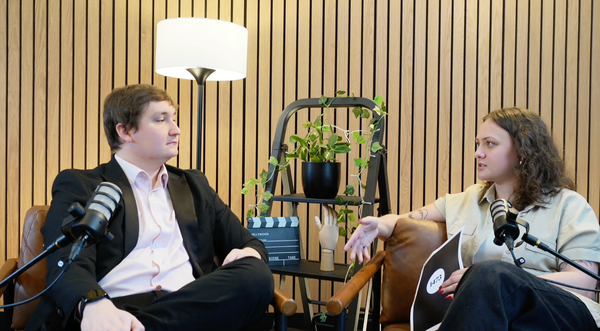
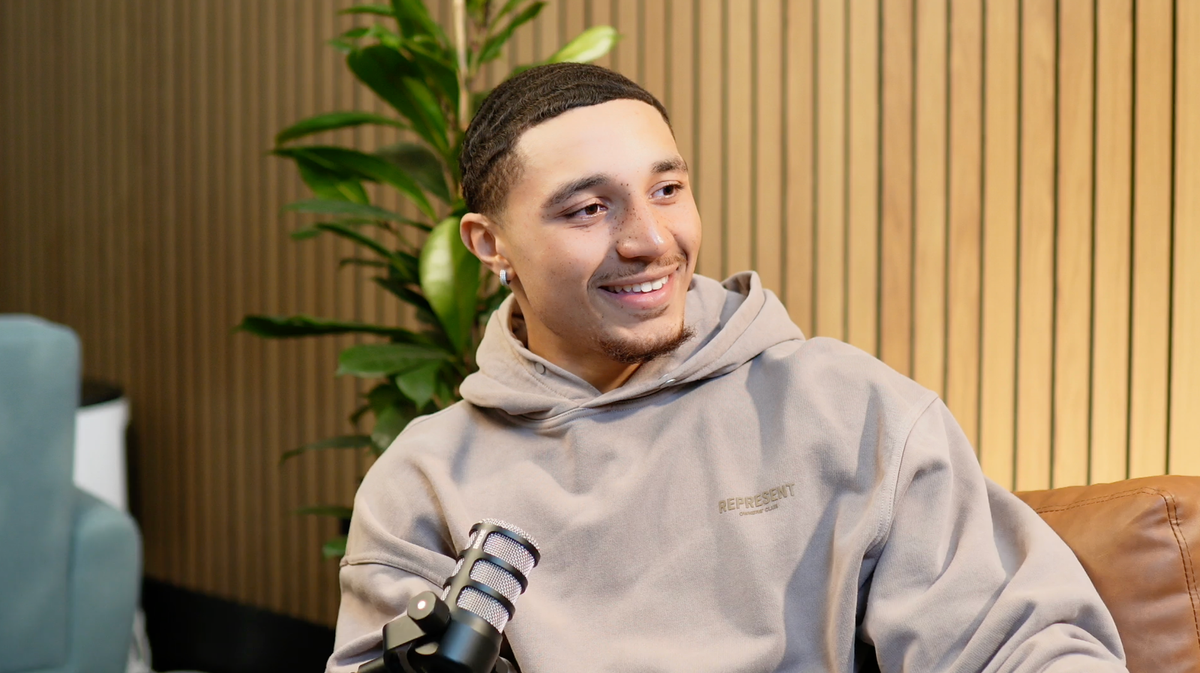
"All I gotta do is show up — and I'll do it" - A conversation with Issiah Hamilton-Allen
From white collar bouts to a professional licence, Isaiah Hamilton Allen breaks down the grind of fight camp, the noise of the crowd, and what it really takes to make it in boxing.
Take us through what a training camp actually looks like from the beginning.
You ease your way into it. First thing is nutrition — you start eating well, you start dieting. I have a nutritionist, and that makes it so much easier for me. When you're trying to focus on a fight and you've got all these other things to think about, it's not good for the mental state. So having people take that off your plate, telling you what you need to eat, fixing up a diet plan — it helps massively. You're not thinking about it. You're just getting the ingredients and cooking it. Time is money, honestly.
How do you structure the weeks during camp?
You're splitting your days between boxing and sparring, and you're doing strength and conditioning as well. Strength and conditioning is all about building your body up — getting it to peak condition, working on your power, getting the weights right. Then conditioning is making sure that when you're in those rounds, you can work at high pace, medium pace, low pace — keeping that stamina up throughout.
"You're training for a long amount of time to essentially scale it down to a couple of minutes. You've only got a couple of minutes to show your all."
Does the intensity change as the fight gets closer?
Yeah, so you ease your way in, and then in the middle of camp — maybe around a month out — things get really crazy, really hard. Then when you get to those last couple of weeks, mainly the week before fight week, you start to ease off a little bit. Your body needs time to recover and rest. There's a lot of science behind it. My strength and conditioning coach and my nutritionist are wizards on that stuff. I'm just there to show up, do what they tell me, and get it done.
You went from six white collar fights to five amateur bouts. What was the toughest opponent you faced?
Probably my third fight. He was a real step up — physically really strong. He put it on me a bit, and I was like, okay, surprise. I had to dig in and find another gear. But I finished the fight and got the victory, which was nice.
Were you ever scared of an opponent going in?
No, not really. I have a mindset where it's like — you're going to have to do a lot to beat me. I'm not coming here to lose. I'm gonna give everything I've got. I just show up and get the job done.
What actually goes through your head once you're in the ring with the crowd going crazy?
It's weird — you can hear certain voices really clearly. I can hear my mum, I can hear my sisters going absolutely crazy. That gives you energy, hearing your name. But the main voices I'm looking for are my corner. My coach Rob, my coach Fab — they're giving me pointers. It's like your senses open up and you can zone right in on those specific voices. Everything else becomes background noise.
"You can hear your name being called from every direction — but the only voices that matter are the ones in your corner."
How different is the amateur scene compared to the professional side?
Completely different. Amateur shows are crowded — loads of kids all waiting to fight, barely any space, warming up right next to each other in a closed little room. No ring walk, no ring music. You just show up to a big sports hall, get weighed in, do your medicals, and wait. I was a senior, so they'd put me on last. Sometimes I was showing up at one in the afternoon and not fighting until eight at night.
And getting a pro licence — what does that process involve?
It's not just a matter of having a certain number of amateur fights. When you go for your pro licence, it's really up to a board to decide. You're sitting in front of a panel, they're asking you questions — it's like appearing before an actual committee. They have to decide whether you're ready. It's proper official.