A breakdown of Gary O'Neil's tactics
A fresh face and new tactics are in the managerial hot seat at Portman Road. But how does Gary O'Neil want his team to play?
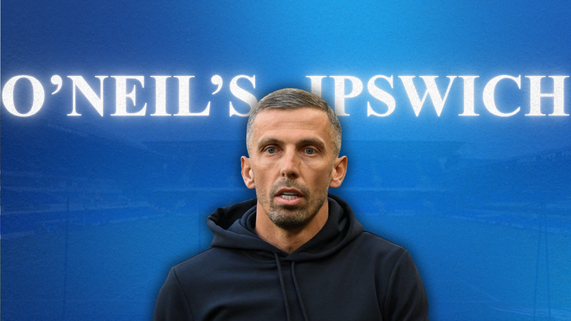
Gary O’Neil was announced as Ipswich Town manager on 23rd June. The 43-year-old has replaced club legend Kieran McKenna, who announced a surprise resignation after the Tractor Boys achieved promotion to the Premier League. O’Neil will bring a new style of football to Portman Road, but what will it look like on the pitch, and what players could benefit?
Background context: O’Neil played 542 games in his professional career, including 214 in the Premier League for West Ham, Portsmouth, Middlesbrough and Norwich. After retiring in 2019, O’Neil earned his UEFA Pro Licence and became Liverpool U-23s’ assistant manager. He earned his first professional coaching job at AFC Bournemouth in 2021, under then-interim manager Johnathan Woodgate.
Despite Woodgate’s departure at the end of the 2020/21 season, O’Neil stayed on as a coach for the 2021/22 season under Scott Parker, as The Cherries were promoted back to the Premier League. After a disappointing start to the next season, which had seen the club in the bottom three, Parker was dismissed, and O’Neil became caretaker manager. After a promising run of results, he was given the job permanently in November 2023. O’Neil steadied the ship as Bournemouth finished 15th.
O’Neil was then, surprisingly, let go at the end of the season.
Gary Linker commented on X about the surprise sacking, saying, ‘‘Ludicrous decision after the excellent job O’Neil has done.’’ O’Neil didn’t have to wait too long for his next job, taking the Wolverhampton Wanderers job on 9th August 2023. It was a successful first season in charge of Wolves. The club finished 14th in the table; they earned their first black country derby win against West Bromwich Albion since 2011 with a 2-0 FA Cup victory at The Hawthorns and reached the quarter-finals.
O’Neil was awarded a new 4-year contract the following summer. The second season started off poorly, as the club failed to win any of their first 10 league games. On 15th December, O’Neil was sacked as Wolves languished in 19th place. The Englishman’s next job was at RC Strasbourg in France. He was appointed in January to replace Liam Rosenior, who had left to manage Chelsea. O’Neil guided Strasbourg to an 8th-place finish and led the team to their first-ever European semi-final, reaching the last 4 of the Conference League before then joining Ipswich on June 23rd.
Tactical breakdown: O’Neil’s teams often defend in a 4-4-2. Out of Possession, O’Neil likes his teams to be compact, often having the wide man track back to support the full-backs or shuttling inside. The team stays compact, with the 4-4-2 helping shut off the centre of the pitch. O’Neil’s defensive tactics often work best with tall, physical defenders who possess the ability to deal with crosses into the box.
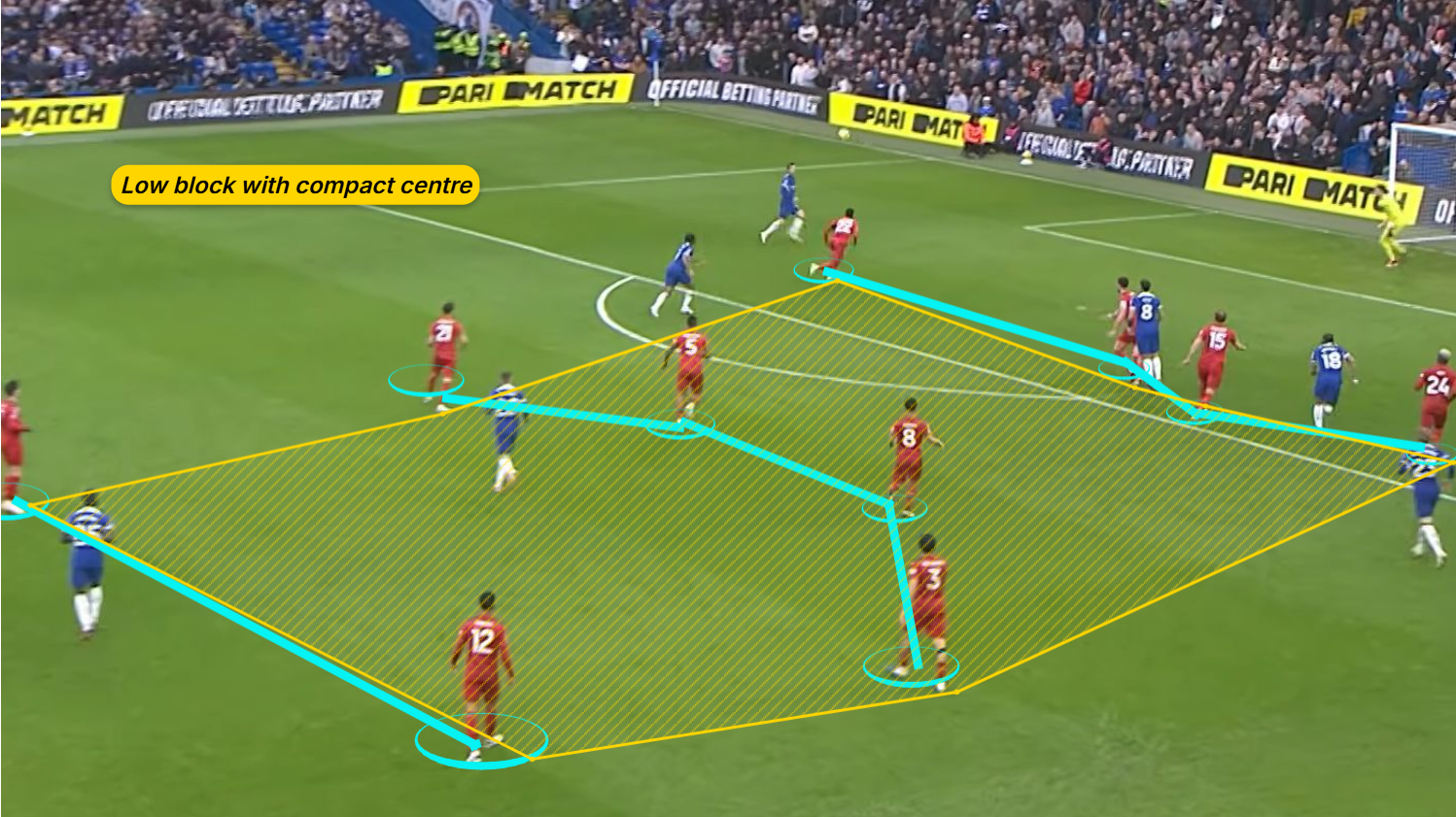
In possession, the team completely shifts into a 3-2-5 shape. The full-backs are crucial in this setup, providing on both flanks. The front 3 rotate flexibly among themselves and come inside to provide creativity. After losing the ball, Wolves look to immediately press the opposition, before settling into a low block if they do not win the ball back.
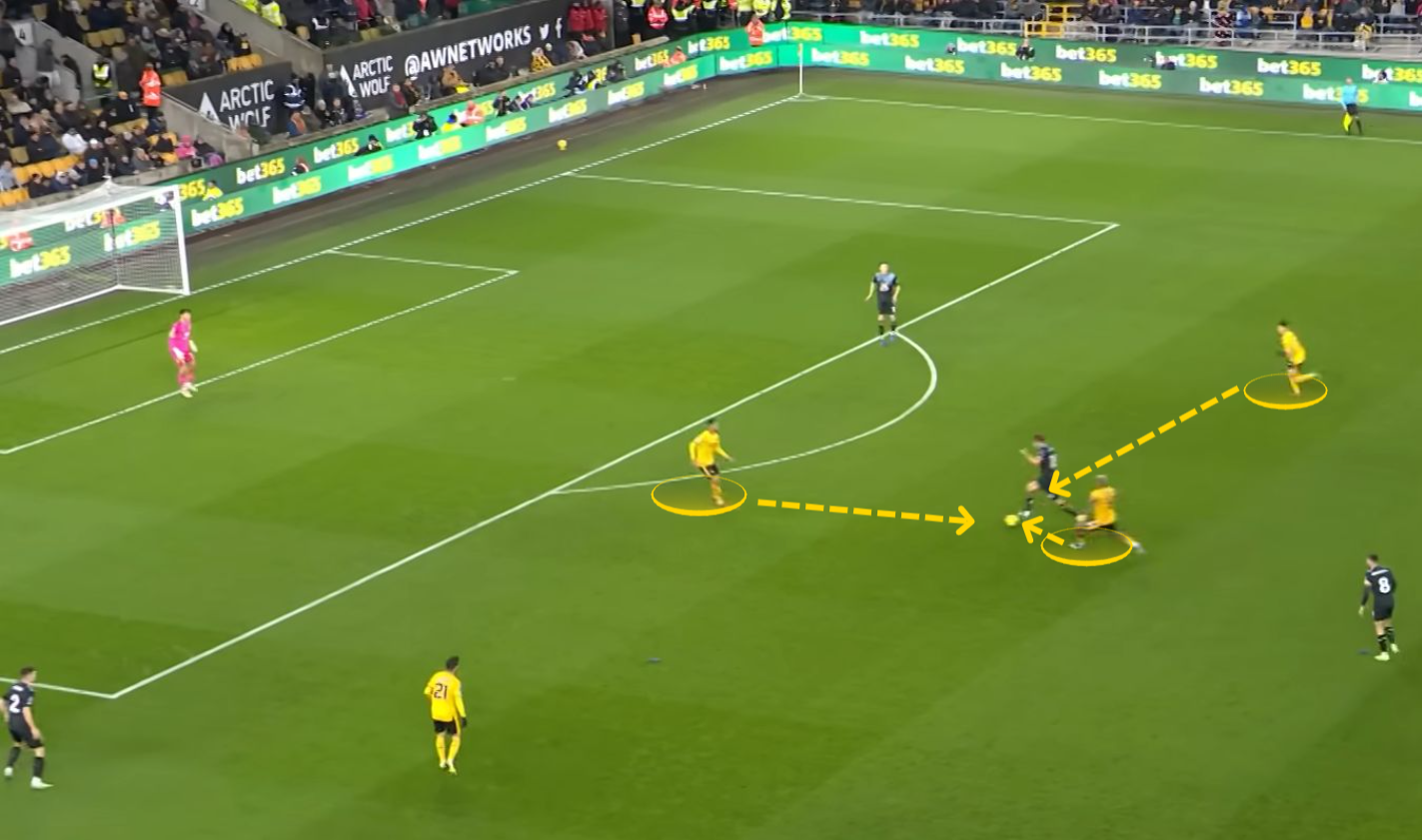
O’Neil’s teams often let the opposition control the ball, focusing on well-directed counter-attacks rather than maintaining possession. This differs massively from the style of McKenna, where Ipswich saw high possession numbers, and even played the possession-heavy style of football when they were promoted to the Premier League.
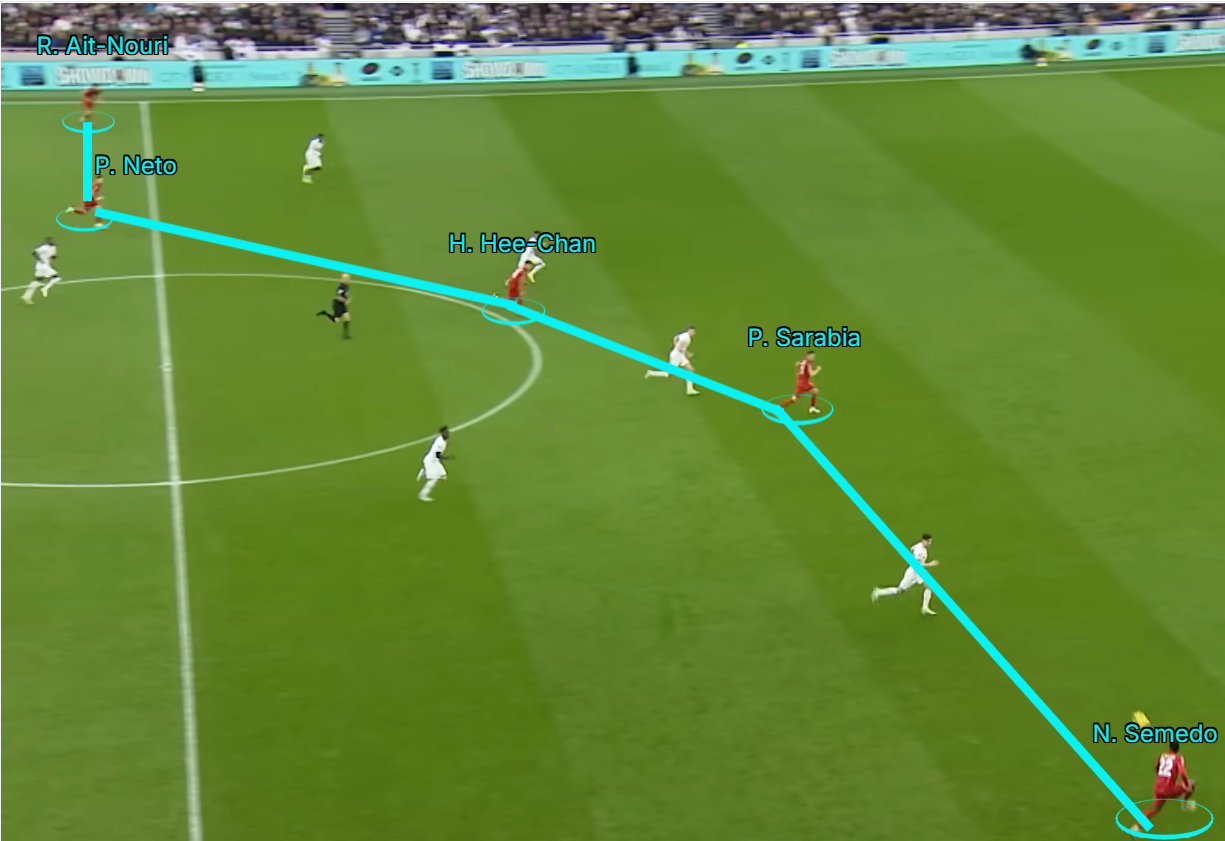
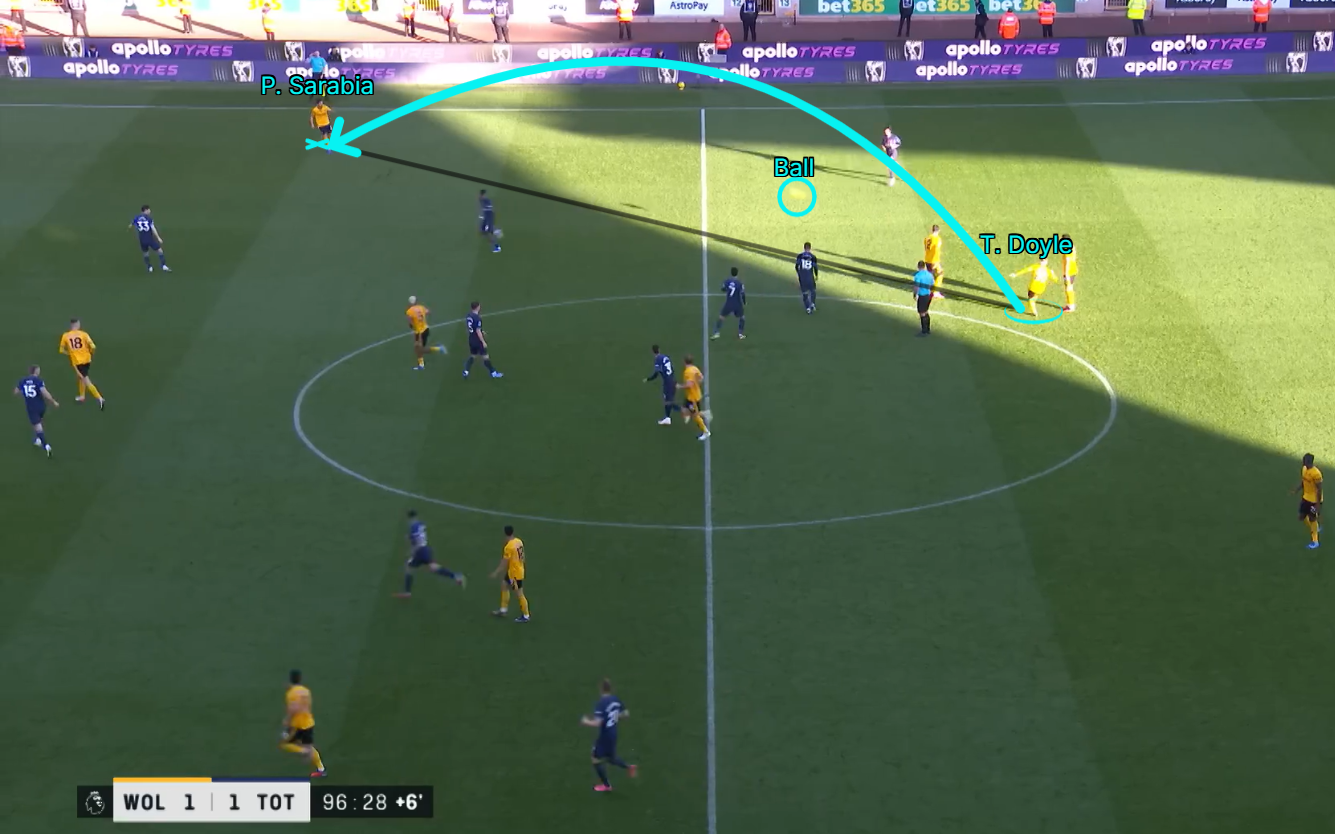
In O’Neil’s Wolves team, there were not any true wingers in the set-up, with Pablo Sarabia and Pedro Neto acting more like number 10s, with Matheus Cunha leading the line. In build-up, O’Neil’s teams often utilise long diagonal passes from the defence into the full-backs and the front 3. O’Neil spoke in a Coaches’ Voice YouTube video about the importance of the diagonals in their 4-2 away at Chelsea in 2024. He highlighted how diagonal passing from the defence can help split the opposition and open up half spaces for the number 10s.
The use of a front five in attack creates numerical advantages, and with Ipswich’s attacking talent, this could be used to good effect.
How this could look at Ipswich Town: If O’Neil sets Ipswich up the same way he did at Wolves, he could find himself with a team selection headache. The Tractor Boys have 3 great attackers: Jaden Philogene, Jack Clarke and Marcelino Nunez. One of these players would most likely have to be dropped.
Another part of the team that could be a pickle to pick is the Right Back/Right Wing Back spot. Darnell Furlong proved to be a key addition last season. Ben Johnson is the player waiting in the wings, and may be knocking on Furlong’s door for a starting XI spot.
Striker is also a position that O’Neil may need to think about. Ipswich lack a prolific striker, with Hugill only netting 11 and Akpom unlikely to sign permanently after a disappointing season that produced only 2 goals in 30 games.
Players that could thrive: Ipswich already have some players that could be very suited to a Gary O’Neil system.
Jack Clarke: The winger made himself a fan favourite last season, scoring 16 goals in the Championship, bouncing back after a disappointing first season.
Clarke’s data was also very impressive:
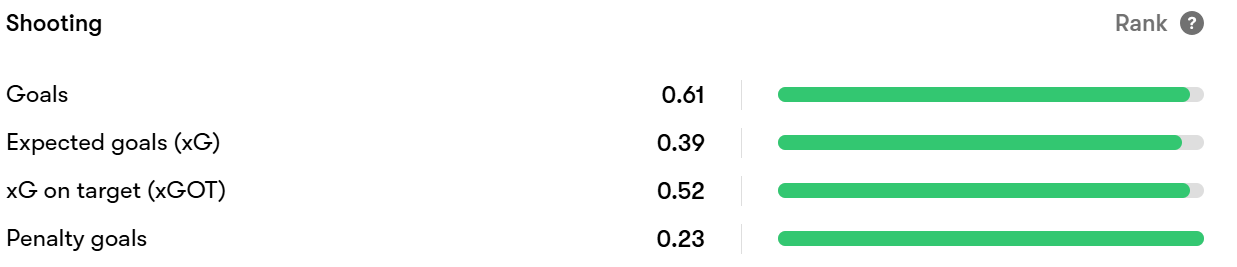
He ranked in the top 5% for expected goals per 90 last season in the Championship, which is hugely impressive for a winger. Clarke would likely be asked to play a similar role to Matheus Cunha, floating in and around the left-hand side of the box and the striker, which would give him many more opportunities to get shots off and link up with the rest of the front 3.
Leif Davis: An all-action left-back, Davis could be an integral part of O’Neil’s team. Davis has both the work rate and the pace to cover large distances.
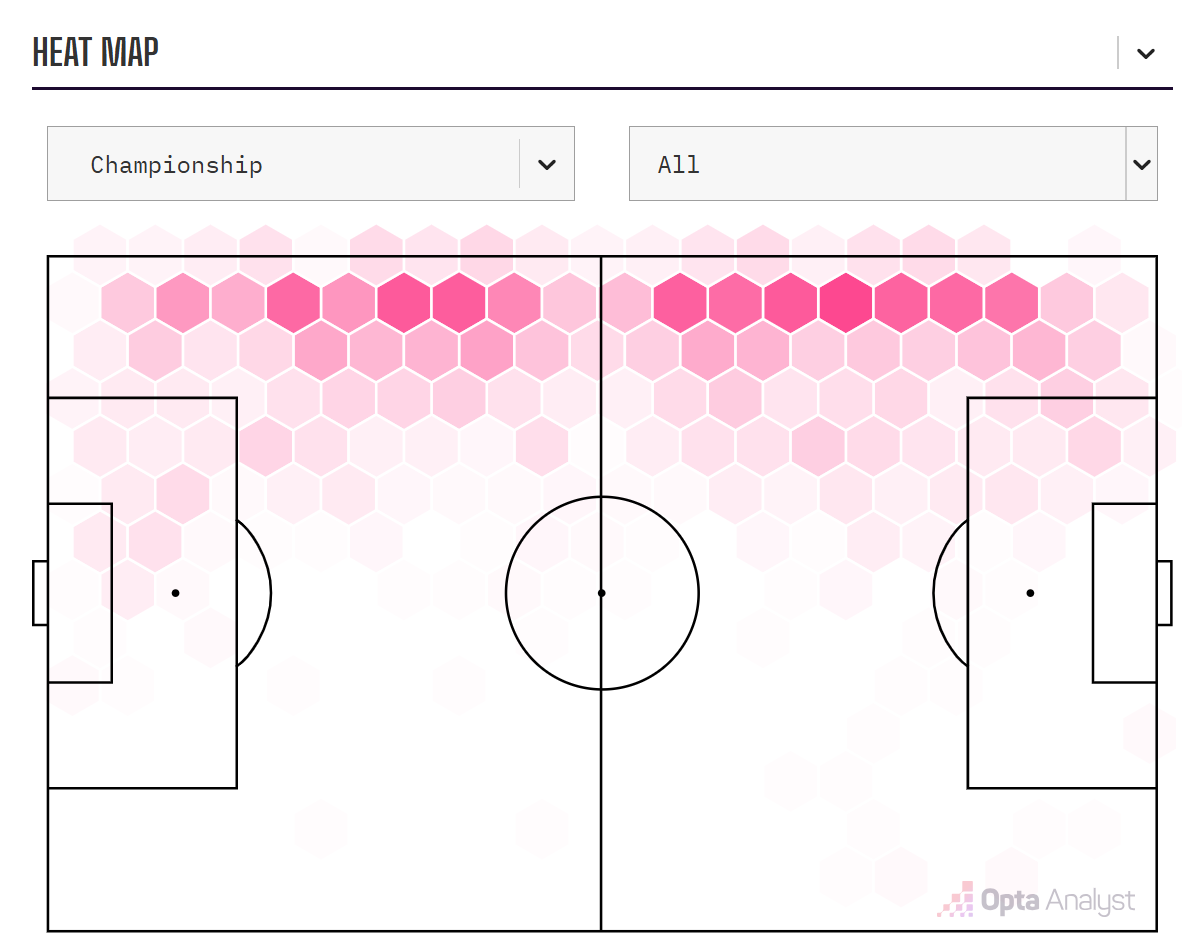
The left-back was in the top 5% for expected assists per 90. He also possesses great ball-carrying, able to quickly start attacks and progress the team forward. He often finds himself up with the frontline, fitting perfectly into the style of football that O’Neil wants to play.
Hazor Matusiwa: The anchor of Ipswich’s midfield last season, Matusiwa is a player that O’Neil is likely to love. An aggressive ball winner, Matusiwa ranked in the top 3% of midfielders for interceptions in the Championship last season. A workhorse who has a similar playstyle to Kante, Matusiwa should fit in well into a double pivot, shielding the defence from any counter-attacks.
He would likely be used in a similar role to Mario Lemina from when O’Neil was managing Wolves. Lemina was an aggressive tackler who didn’t overcommit, with Matusiwa being a carbon copy of this.
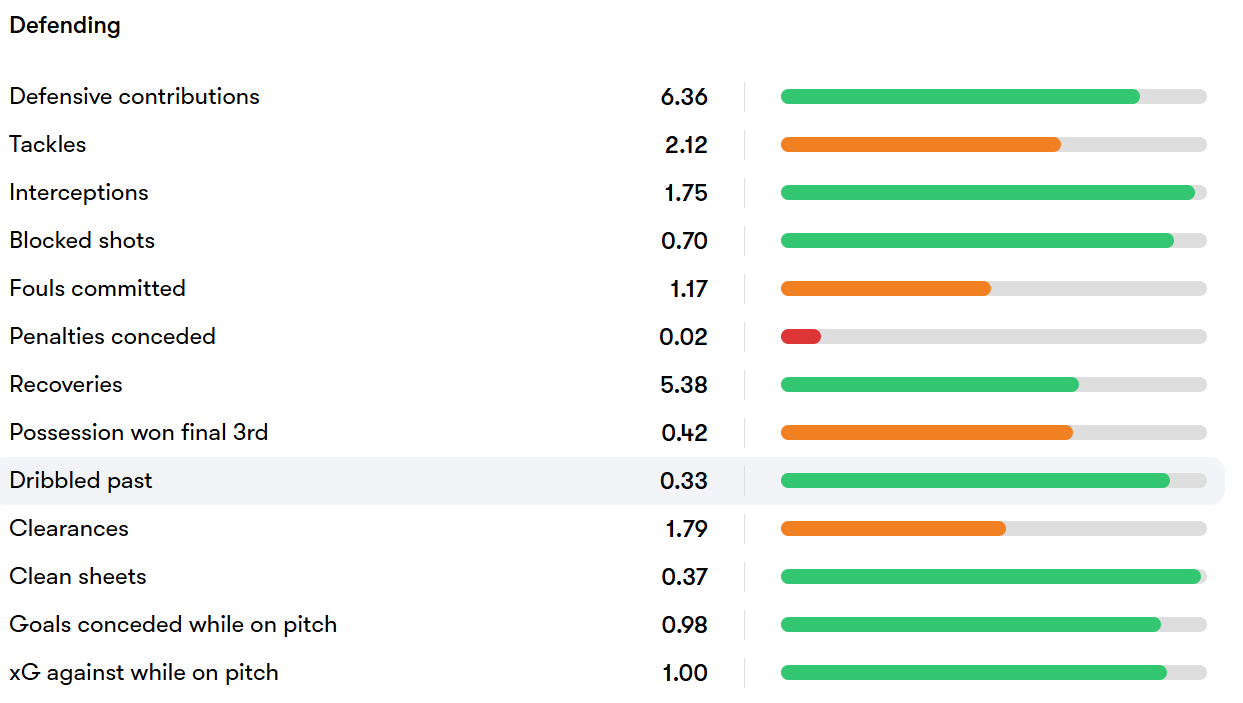
Players who may struggle:
Jacob Greaves: This may seem quite harsh, but underlying data would suggest that Greaves may struggle in O’Neil’s system. With O’Neil’s emphasis on diagonal passing from the defence, Greaves’ 31.6% long ball accuracy rate may not bode well.
Greaves has also faced criticism from Ipswich fans for his defensive awareness, often getting caught out by long balls. Greaves could perhaps be used, though in a similar role to Toti Gomes, as a left-back who tucks in when the team is in possession, with the other two centre-backs, Max Kilman and Craig Dawson, being the ones who set up the play.
George Hirst: As discussed earlier, O’Neil likes a dynamic front three who can be fluid in their positioning. This is not exactly Hirst’s strong point, who lacks the passing range to potentially play such a role. Hirst also scored 11 goals in the Championship last season, and Ipswich may need to look for a more mobile striker who will guarantee goals for the Tractor Boys in the Premier League next season.
Tactical Positives:
· Compactness in defence
· Aggressive initial pressing leading to turnovers
· System suits Ipswich’s best players (Clarke, Davis etc)
· Front five in attack creates numerical advantages
Tactical Negatives:
· The use of a low block allows opposition control
· Big change in style from McKenna
· Certain players may not suit the system
· Style of football at times can be an eyesore due to the lack of possession
The bottom line: Ipswich fans will have to accept a more defence-first approach next season. O’Neil is still a relatively new manager, but has experience in the Premier League and has a track record of keeping teams in the league. We won’t know if O’Neil is the right man for the job until the new season is in full swing.